

Free text
Summary and key ideas
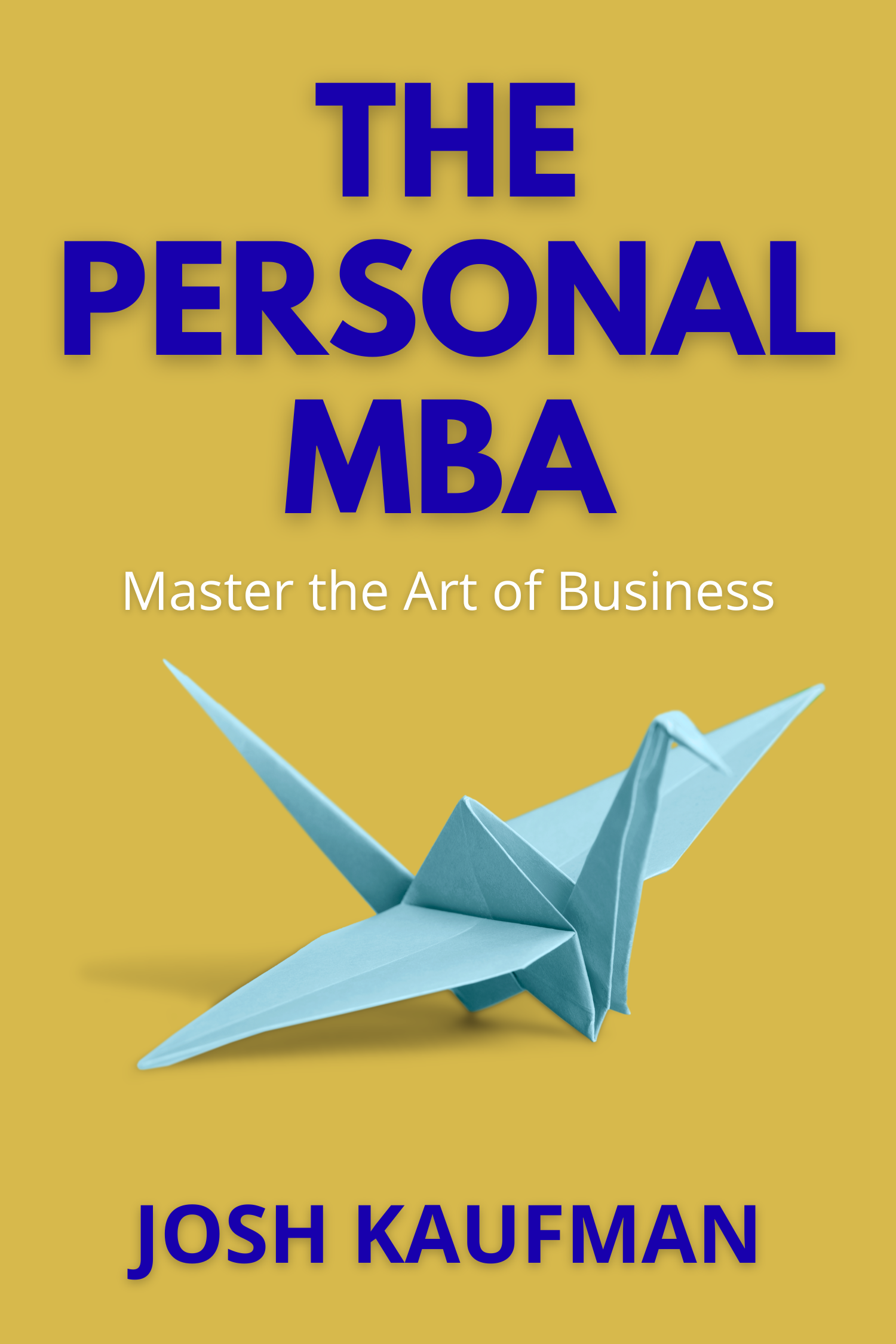
Book summary prepared by ReWio. Original book author: Josh Kaufman.
Introduction
Welcome to the world of entrepreneurship without the need for an expensive MBA degree. The "Personal MBA" guides you through the basic principles and practical knowledge you need to succeed in business. Whether you are a budding entrepreneur or a seasoned professional, this book will give you the tools to create value, market effectively, sell and deliver products that meet basic human needs. Embark on a journey of self-study and uncover the secrets of successful entrepreneurship.
The importance of self-study
When we think of traditional education, many of us conjure up images of university lecture halls, stacks of textbooks and challenging exams. However, the road to a successful business doesn't have to lead through expensive degrees and years of study. Self-study is becoming an increasingly important tool that can replace formal education and deliver practical, immediately applicable knowledge.
Consider the situation in which a young entrepreneur, George, finds himself. George has always had a passion for technology and dreamed of one day starting his own company. Although he didn't have the financial means to pursue a prestigious MBA, he decided that wasn't going to stop him. Juraj invested in quality literature, took online courses and joined communities of entrepreneurs where he could learn from their experiences and mistakes.
One of the biggest benefits of self-study is flexibility. You don't have to follow a strict lecture schedule, but you can study at a time that suits you best. For George, this meant that he could study in the evenings and weekends while working on his business project during the day. Plus, self-study allows you to focus on specific areas that are most relevant to you and your business.
Another example is the well-known story of Steve Jobs, who continued to self- educate after leaving Stanford. Jobs enrolled in calligraphy and design courses, which later influenced the aesthetics of Apple products. This approach allowed him to gain a unique perspective and skills that he likely would not have gained in a traditional MBA program.
Self-study also fosters the development of critical thinking and independence. Instead of passively taking in information in lectures, you learn to actively seek out, analyze, and apply new knowledge. For example, George spent many hours reading about marketing strategies and then testing them in practice. In this way, he gained valuable experience and immediate feedback.
The financial aspect should not be forgotten either. Traditional MBA programs can cost tens of thousands of dollars, and results are not always guaranteed. The investment in self-study is often significantly lower, but the return can be just as high, if not higher. George was able to save money, which he later invested directly into growing his business.
Self-study offers many benefits and opens the door to business success even without formal education. Flexibility, the ability to focus on relevant topics, the development of critical thinking and lower costs make this form of education an attractive alternative for modern entrepreneurs. George and many others like him prove that a passion for learning and a willingness to invest time in self-study can be the key to success.
The primary goal of entrepreneurship is to create value for customers
At the heart of every successful business lies the ability to create value for customers. This concept may seem simple, but getting it right and implementing it can be the difference between a mediocre and a thriving business.
Imagine Peter, the owner of a small café in the city centre. Peter realised that it wasn't enough to just sell coffee - he had to offer something that customers really valued. That's why he focused on making sure that his café not only provided quality coffee, but also a welcoming atmosphere where people could relax and feel welcome. By creating added values such as friendly service and comfortable seating, he has attracted regular customers who come back not just for the coffee, but for the overall experience.
Another example is Jane, who started a handmade soap business. In the beginning, she had a simple goal - to sell quality soaps. However, over time, she
discovered that her customers were looking for more than just a good product. They wanted to know that they were using eco-friendly and health-conscious products. So Jane began to thoroughly inform them about the origin of the ingredients and the production process. In addition, she packaged each soap in eco-friendly packaging with a little story about its production. In this way, she not only increased the value of her product, but also built customer trust and loyalty.
Another important component of value creation is the ability to listen to customer feedback and adapt to their needs. Martin, the owner of an online electronics store, quickly realized that providing excellent customer support could be just as important as the actual products he sells. He implemented a system to respond quickly to customer questions and issues, improving overall customer satisfaction and loyalty.
However, true customer value is not just about products and services, but also about the emotions and experiences that go with them. Take the example of the famous Starbucks chain, which has become synonymous not only with good coffee, but also with the unique experience of visiting their coffee shops. In this case, creating value for the customer manifests itself in every detail - from the welcoming atmosphere to the personalised service.
When an entrepreneur focuses on creating value for customers, they gain a competitive advantage that is hard to replicate. It's not just about a one-off increase in sales, but about building relationships and reputation over the long term. The value that the business provides becomes its core asset that differentiates it from others.
A business focused on creating value for customers is not just about making a profit, but also about bringing positive change and solutions into people's lives. This approach leads to lasting success and prosperity because satisfied customers become the best brand ambassadors, spreading the goodwill of the business and coming back again and again.
Effective marketing strategies aimed at identifying and meeting customer needs
Marketing is a key element of any successful business, and its effectiveness depends on the ability to identify and satisfy customer needs. Take the example of Ivana, who runs a small natural cosmetics business. Eve started her marketing by researching the market in detail and found that many of her potential customers were looking for products without harmful chemicals, suitable for sensitive skin.
Based on these findings, she modified her products to meet these demands and then created a marketing strategy that emphasized the natural ingredients and gentleness of her cosmetics. She promoted her products through social media, where she shared stories and experiences of satisfied customers. In this way, she not only reached a wide audience, but also gained the trust of new customers.
The next step was to create a customer survey through which she collected feedback and ideas for further improvements. Based on the customers' responses, she added new products to her range that were in line with their requirements. In addition, Eve implemented a loyalty program that rewarded repeat purchases and encouraged customers to keep coming back.
Consider also the success of Nike's global brand. Nike is known for its ability to create a strong emotional connection with customers through marketing campaigns that emphasize motivation and self-improvement. Their slogan "Just Do It" is an example of how a simple but effective message can resonate with a wide range of customers and foster brand loyalty.
Another effective strategy is content marketing. Many successful companies invest in creating valuable content that informs and educates their customers. For example, blogs, videos, and webinars can provide customers with useful information to help them make purchasing decisions. This approach not only increases brand visibility, but also builds trust and authority in the industry.
In addition, it is important to track and analyse the results of marketing campaigns. Using analytics tools allows entrepreneurs to understand which strategies are working and which are not, and adjust their marketing efforts accordingly. Regular testing and optimization of campaigns ensures that marketing activities remain relevant and effective.
Effective marketing is therefore based on a deep understanding of customer needs and the ability to adapt products and communication strategies to those needs. Identifying and meeting customer needs is not a one-off task, but an ongoing process that requires flexibility, creativity and the ability to respond to changing trends and market preferences.
Sales should help customers to make profitable decisions
Selling is not just about exchanging products for money, but about real advice that helps customers make informed and profitable decisions. Take, for example, the case of a sales representative at a technology company who noticed that his customers often did not know which product was best for them. Instead of pushing the most expensive products on them, he decided to take a different approach. He analyzed his clients' needs and budgets in detail and recommended solutions that best suited their specific requirements. This approach not only increased their satisfaction, but also their trust and brand loyalty.
Another example is a car dealer who realised that his customers were often concerned about the long-term maintenance costs of their vehicles. Therefore, it started to offer detailed information on the reliability of different models, compared maintenance costs and even provided contacts of satisfied customers who were already using the vehicles. This transparent approach enabled customers to make better decisions and the dealer built a reputation as a trusted advisor.
Sometimes it can be difficult for customers to guess what their future needs will be. For example, a dealer that sells fitness equipment can help a customer by not only selling the current equipment needed, but also providing advice and recommendations on future products that may be useful to the customer as they improve in their exercise routine. Such a proactive approach increases the chances that the customer will return for future purchases and remain loyal to the brand.
It's also important to recognize the moment when a customer is on the verge of making a decision but still hesitates due to concerns. An experienced retailer at this point can offer a trial period option or a money-back guarantee, reducing the
risk associated with the purchase and providing reassurance to the customer. For example, a mattress retailer may allow customers to try a mattress for 100 nights with a return policy if they are not satisfied. Such an offer removes doubt and encourages the customer to buy.
Effective selling is therefore focused on the customer's real needs and on providing valuable information to enable them to make the best possible decision. This leads to long-term relationships based on trust, which is key to the continued success of any business.
Delivering value to customers
is a key aspect of any business that ensures long- term customer satisfaction and loyalty. To understand what this process entails, let's look at a few examples and principles.
Let's imagine a company that produces eco-friendly cleaning products. Their goal is not just to sell products, but to ensure that customers actually see the benefits of using them. To this end, the company provides detailed instruction manuals, demonstration videos and advice on effective cleaning, thereby increasing the value of their product to customers.
Another example is an online clothing store that offers free fashion advice. Customers can consult with experts who can help them select clothing based on their personal style and needs. This approach not only helps customers make better purchasing decisions, but also gives them the feeling that they are well taken care of.
Reliability and quality of service are also important aspects of delivering value. A company that sells electronics can offer extended warranties and fast service so that customers know they can count on support after the purchase. This kind of warranty and support builds trust and ensures that customers will be satisfied in the long term.
Focusing on the customer experience is also key. Companies like Amazon excel in
this regard by offering fast delivery, easy returns and excellent customer support. All of these elements contribute to the overall value that customers get from shopping on this platform.
Delivering value to customers also means continuous improvement and innovation. Businesses that regularly gather feedback from their customers and adapt their products and services based on this feedback are able to keep up with the needs and expectations of the market.
When businesses deliver value effectively, they build strong relationships with their customers, leading to higher loyalty, repeat purchases and positive brand messaging. Delivering value is therefore an integral part of a successful business that strives for long-term growth and prosperity.
Negotiation skills are key to success
Negotiation is one of the most important skills that entrepreneurs need to achieve success. Proper negotiation can affect everything from contract terms to business partnerships and business profitability.
Imagine a situation where Lucia, the owner of a small organic food business, was negotiating with a large supermarket chain to distribute her products. To be successful, she had to prepare thoroughly. She found out what the supermarket was looking for and prepared arguments that emphasised the uniqueness and quality of her products. With this approach, she was able to obtain favourable terms that she might not otherwise have been able to achieve.
Preparation is a key step in any negotiation. The key is to obtain as much information as possible about the other party, its needs, objectives and constraints. This allows you to prepare strong arguments and be prepared for possible objections. Research shows that more than 70% of success in negotiation depends on preparation.
Another important aspect is active listening. Negotiation is not just about asserting your own views, but also about understanding the other party's perspective. When
a negotiator truly listens and responds to the concerns and needs of his or her counterpart, he or she is more likely to find a win-win solution.
Using the principles of reciprocity can also significantly improve the outcome of a negotiation. If you offer the other party a concession, they will often feel obligated to return a similar favor. For example, if Lucia agreed to special prices during a supermarket's promotional campaigns, the supermarket offered her better terms for a long-term partnership in return.
Creating alternatives is also an essential part of bargaining. Having several options in the pipeline means that if one route fails, you always have somewhere to go. Lucia, for example, also negotiates with other retail chains, which ensures a better bargaining position.
Confidence and a calm demeanour during negotiations also contribute to achieving positive results. Even when negotiations are difficult, maintaining a professional and calm approach can help keep the conversation constructive.
Negotiation is a continuous learning process. Each successful and unsuccessful negotiation provides valuable experience that can be used on future occasions. Analyzing your past negotiations and learning from them is a path to continuous improvement.
The ability to negotiate effectively is essential for entrepreneurs. It affects not only business agreements and partnerships, but also the overall competitiveness and growth of the business.
Products should satisfy basic human needs
Every successful product or service is created in response to specific human needs. Identifying and meeting these needs is the key to success in business. For example, a sportswear manufacturer may find that customers are looking for comfortable and functional clothing for a variety of sporting activities. By providing clothing that regulates body temperature and wicks away sweat, it satisfies the need for comfort and performance.
Another example is a technology company that creates devices that facilitate communication. Smartphones and tablets not only offer innovative technology, but also allow people to stay in touch with loved ones and access information anywhere, anytime, satisfying the need for social connection and information. Businesses can also identify the need for personal development and education. Online platforms offering courses and training provide people with the opportunity to acquire new skills and knowledge, thus satisfying the desire for learning and self-improvement.
Regardless of the industry, it is important to constantly monitor and respond to the changing needs of customers. Collecting feedback and tailoring products and services according to this information ensures that a company can effectively meet basic human needs, thereby building a strong customer base and achieving long- term success.
Leadership based on clear and effective communication
Effective leadership is inextricably linked to clear and effective communication. In any successful team, it is crucial that the leader is able to motivate, inform and inspire his or her team members with his or her words.
Transparency and openness are essential. When leadership communicates clearly and without unnecessary complications, employees better understand goals and expectations. For example, clearly defined roles and goals help employees focus on what's important and what contributes to the team's overall success.
Regular feedback is another important element. Management should provide constructive feedback on a regular basis to help employees grow and improve their performance. This feedback should be specific, positive and focused on problem solving, not criticism.
Active listening also deserves special attention. A leader should pay attention to the needs and concerns of his or her employees. Active listening means not only hearing what employees are saying, but also understanding their feelings and perspectives. This helps build trust and strong relationships within the team.
Clear communication of goals and vision is also key. Employees who understand and believe in the company's purpose and direction are more motivated and engaged. Therefore, it's important for leadership to regularly communicate strategy and vision, and to ensure that all team members are on the same page.
Equally important is the use of appropriate communication tools. In today's digital age, there are a number of tools that can help improve internal communication. Effective use of emails, video conferencing, chat apps and other technologies can greatly improve communication and coordination within a team.
Leadership based on clear and effective communication is therefore not just about the correct transfer of information, but also about creating an environment of trust, collaboration and shared purpose. In this way, leadership can inspire and motivate their team to achieve excellence.
Optimising productivity by listening to your own body and natural rhythms
Optimizing productivity means adapting your work habits to your body's natural rhythms and needs. Each person has specific cycles of wakefulness and fatigue, and taking advantage of these cycles can greatly increase efficiency.
The human body functions in approximately 90-minute cycles known as ultradian rhythms. Within these cycles, we experience periods of high energy and concentration, followed by periods of fatigue. Effective workday planning means performing demanding tasks when energy is highest and using periods of fatigue to rest or perform less demanding tasks.
Morning hours are the most productive for many people. Using this time to tackle key tasks can increase overall productivity. In the afternoon, when energy is waning, it is advisable to include breaks or perform administrative tasks.
Listening to your own body and respecting its signals helps prevent burnout and increases overall well-being. If the body signals fatigue, a short break or a brisk walk can restore energy and concentration. It's also important to ensure you get
enough sleep and eat regularly, which promotes stable energy levels throughout the day.
Optimizing work habits to the body's natural rhythms can lead to better performance, lower stress levels and overall satisfaction in both work and personal life.
Final summary
The book "The Personal MBA" emphasizes that success in business does not require an expensive degree, but an understanding of basic principles and practical skills. The key is self-study, creating value for customers and effective negotiation. It's also important to meet basic human needs, lead the team with clear communication, and optimize productivity by listening to the body. These principles allow entrepreneurs to improve their skills and achieve lasting success without the need for a formal MBA education.